
Graffiti to Grammy’s: Hip Hop History
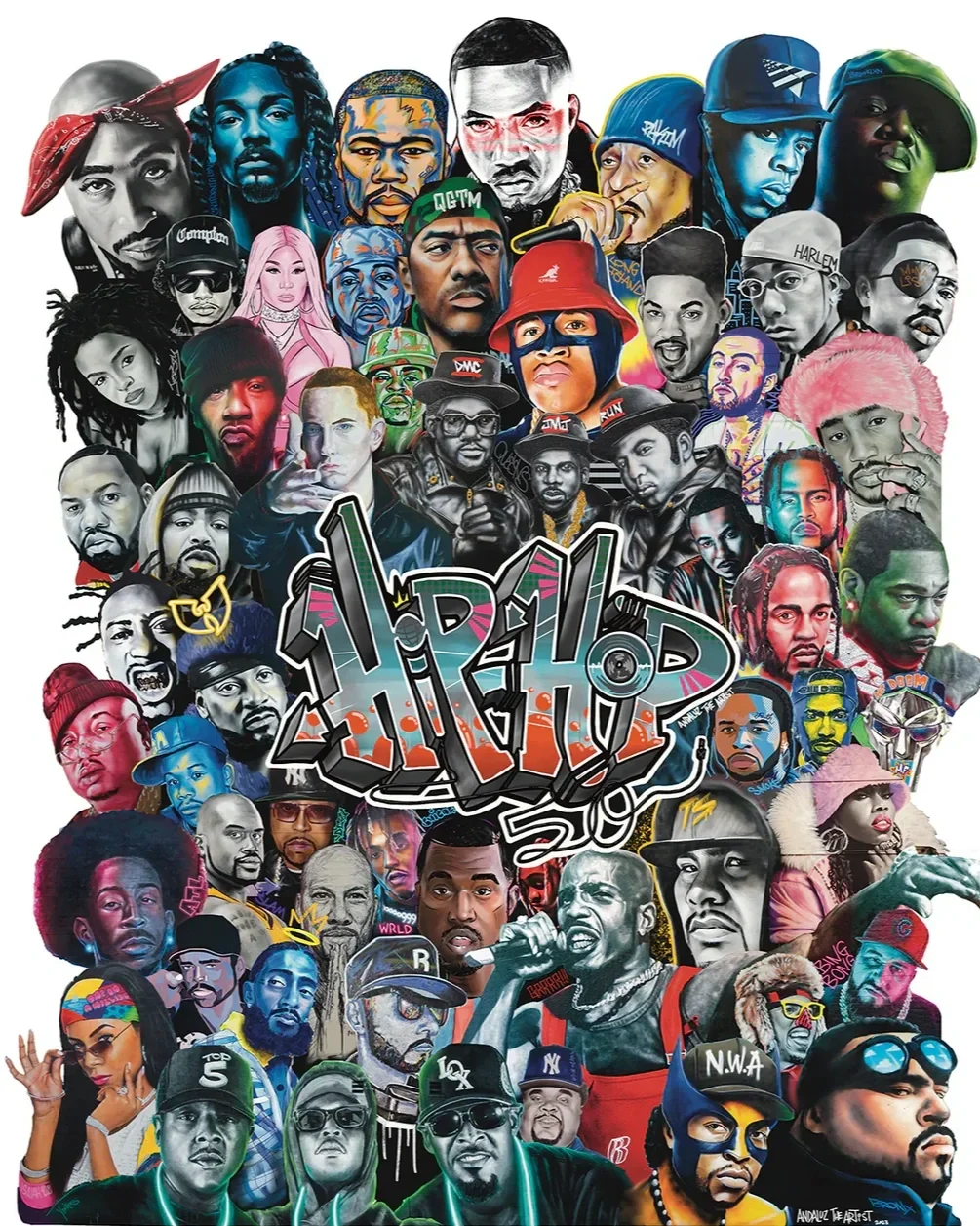
Hip hop started in the 1970s in the Bronx, New York, as more than just music—it was a culture built on storytelling, DJing, breakdancing, and community expression. Early artists used rhythm and rhyme to talk about real life in their neighborhoods, giving a voice to people who often felt unheard. As hip hop grew, it became a powerful way to share personal struggles, celebrate identity, and speak on social issues, quickly spreading beyond New York into cities across the country.
By the late 1980s and early 1990s, hip hop began to take on stronger political and street-centered themes. Ice Cube became known for his sharp, unapologetic lyrics that reflected life in Los Angeles and challenged listeners to think about inequality and systemic struggles. Around the same time, West Coast hip hop exploded with artists like Snoop Dogg, whose laid-back flow and storytelling helped define the G-funk sound. His music blended smooth beats with vivid narratives, making hip hop feel both raw and accessible to mainstream audiences.
On the East Coast, The Notorious B.I.G. brought a different energy, combining lyrical skill with storytelling that painted detailed pictures of ambition, hardship, and success. His smooth delivery and honest lyrics helped elevate hip hop into a respected art form while also pushing it into the commercial spotlight. During this era, hip hop wasn’t just music—it became a cultural force influencing fashion, language, and identity for a whole generation.
In the late 1990s and early 2000s, artists like Eminem and Ludacris showed how diverse hip hop could be. Eminem stood out for his technical skill, controversial storytelling, and ability to mix humor with deeply personal experiences, breaking barriers in a genre that was constantly evolving. Ludacris, on the other hand, brought humor, charisma, and energetic Southern beats that helped spotlight the growing influence of Southern hip hop. Both artists proved that hip hop could be serious, playful, emotional, and commercially successful all at once.
Today, hip hop continues to evolve by blending genres and reaching new audiences worldwide. Artists like Post Malone blend hip hop with pop, rock, and R&B, showing how flexible and boundary-pushing the genre has become. While the sound keeps evolving, the heart of hip hop remains rooted in storytelling, creativity, and self-expression—continuing the legacy of artists from every era who used music to share their truths and connect with listeners everywhere.