
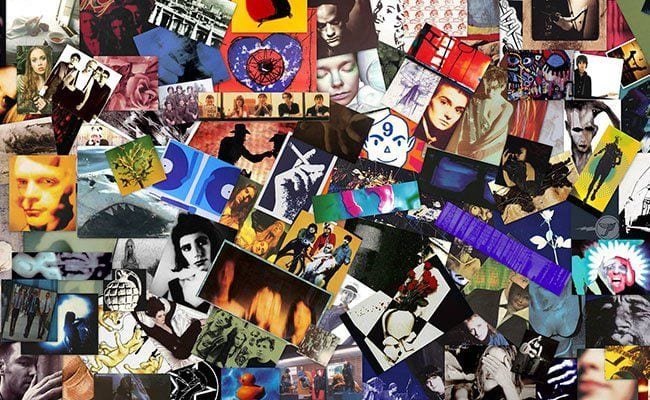
From underground movements to a generation-defining sound.
Alternative music has always been about going against the norm. Unlike mainstream pop, which often follows popular trends and familiar sounds, alternative music gives artists the freedom to experiment with different instruments, emotions, songwriting styles, and musical influences. Its history dates back to the late 1970s and early 1980s, when punk rock and post-punk movements began challenging the traditional music industry. Many musicians wanted to create something different from the polished rock and pop music being played on the radio. Independent record labels became important because they allowed artists to release music without depending on major record companies. Bands such as The Cure, The Smiths, and Sonic Youth helped establish the foundation of alternative music through their experimental sounds, emotional lyrics, and willingness to challenge traditional music styles.
During the 1990s, alternative music became a major part of popular culture. The rise of grunge, led by bands such as Nirvana, Pearl Jam, and Soundgarden, introduced a darker and more rebellious sound to mainstream audiences. Alternative rock became associated with themes of isolation, identity, frustration, and growing up. As the genre continued to develop, musicians began combining alternative rock with other styles, including electronic music, hip-hop, punk, and metal. This helped create new subgenres and expanded what alternative music could sound like. By the early 2000s, bands such as Linkin Park and My Chemical Romance were bringing different audiences into the alternative scene. Linkin Park combined heavy guitar riffs, electronic elements, rap, and emotional vocals, while My Chemical Romance became known for its dramatic performances, punk influences, and lyrics that explored personal struggles, identity, and adolescence.
The 2000s also changed how people discovered alternative music. The growth of the internet, music blogs, YouTube, and social media allowed smaller artists to reach listeners without needing traditional radio exposure. Arctic Monkeys became one of the most recognizable examples of this change. Originally gaining attention through music shared online, the band helped bring indie and alternative rock to a new generation. Their music combined garage rock, post-punk influences, and catchy guitar melodies. Songs like Do I Wanna Know? demonstrate how alternative music could create a darker, slower, and more atmospheric sound while still reaching mainstream audiences. During this same period, alternative music became closely connected to fashion, youth culture, and personal identity. For many listeners, it was not just about the music but also about finding a community where they felt understood.
As the 2010s arrived, alternative music continued evolving, especially through the growth of alternative pop. Artists began mixing elements of electronic music, indie rock, hip-hop, dream pop, and traditional pop. Lana Del Rey became known for her cinematic style, nostalgic themes, and melancholic songwriting. Her music often explores love, heartbreak, fame, youth, and the darker sides of American culture. Billie Eilish introduced another approach to alternative pop by combining quiet vocals, unusual production, electronic sounds, and darker lyrical themes. Her music challenged the idea that pop songs needed to follow a predictable structure or have a traditionally upbeat sound. Both artists helped demonstrate that alternative music did not have to fit into one specific genre or sound.
Today, alternative music is more diverse than ever. The genre continues to overlap with indie, rock, metal, pop, electronic, and even hip-hop. Artists such as Linkin Park, Billie Eilish, Arctic Monkeys, My Chemical Romance, and Lana Del Rey represent different generations and styles within the alternative scene. While their music may sound completely different, they share an ability to create something recognizable and personal rather than simply following mainstream expectations. Streaming platforms like Spotify and Apple Music have also made it easier for listeners to discover smaller artists and explore different subgenres. Alternative music has grown from an underground movement into a major part of modern music culture, but its original purpose remains the same: giving artists the freedom to be different and giving listeners a place to connect with music that makes them feel understood.
Listen to some popular alt-rock & alt-pop artists below: