
Jazzed Up History
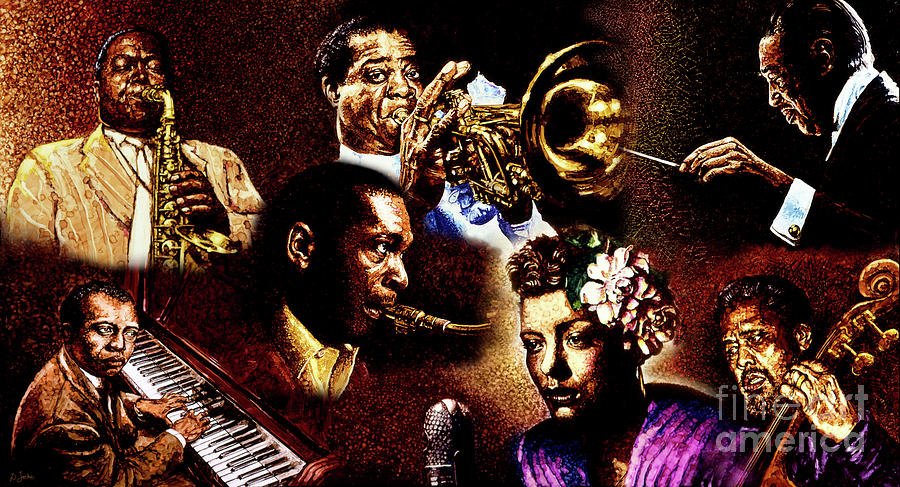
Jazz began in the streets and clubs of early-1900s New Orleans, where African American musicians blended blues, ragtime, and brass-band traditions into something completely new. It wasn’t just a style of music—it was a feeling, a way of expressing joy, pain, and everything in between through rhythm and improvisation. As people moved north during the Great Migration, they carried jazz with them, helping it flourish in cities like Chicago and New York, where it quickly became the heartbeat of nightlife.
One of the first true stars was Louis Armstrong, whose trumpet playing changed jazz forever. His bright tone, fearless improvisation, and playful vocals made every song sound alive. Later, as swing music filled dance halls across the country, singers like Frank Sinatra brought a smoother, more romantic side to jazz. Sinatra’s phrasing and emotional delivery made listeners feel like he was speaking directly to them, helping jazz and pop music blend in new ways.
By the 1950s and 60s, jazz began stretching into deeper and more adventurous territory thanks to musicians like John Coltrane and Sonny Rollins. Coltrane pushed into spiritual, exploratory sounds, while Rollins became known for his huge tone and endlessly creative solos. Their music showed that jazz could be both technically brilliant and deeply personal.
At the same time, the Rat Pack—Sammy Davis Jr., Dean Martin, and Frank Sinatra—brought jazz-inspired entertainment to the big stage. With their mix of charm, humor, and swing, they turned Vegas lounges and Hollywood sets into unforgettable performances. Together, these artists didn’t just play jazz—they shaped its personality, helping it grow into one of the most expressive and enduring genres in American music.
Beyond popular artists, many movies include jazz songs, in particular the Jungle Book includes The Bare Necessities that strong jazz elements, particularly a New Orleans/Dixieland jazz feel with its 2-beat swing, banjo, trumpet, and vocals reminiscent of Louis Armstrong.