
Regional Mexican Music
source: billboard.com
Regional Mexican music is more than a genre—it’s a cultural pulse that has carried stories, struggles, and celebrations across generations. Its roots stretch back to rural Mexico, where everyday life, heartbreak, and heroism were sung with raw emotion. Over time, different regions developed their own distinct sounds, giving rise to styles such as norteño, corridos, mariachi, banda, and tejano. Each of these branches reflects the landscapes and communities that shaped them, yet they all share one thing in common: music as a way of preserving identity.
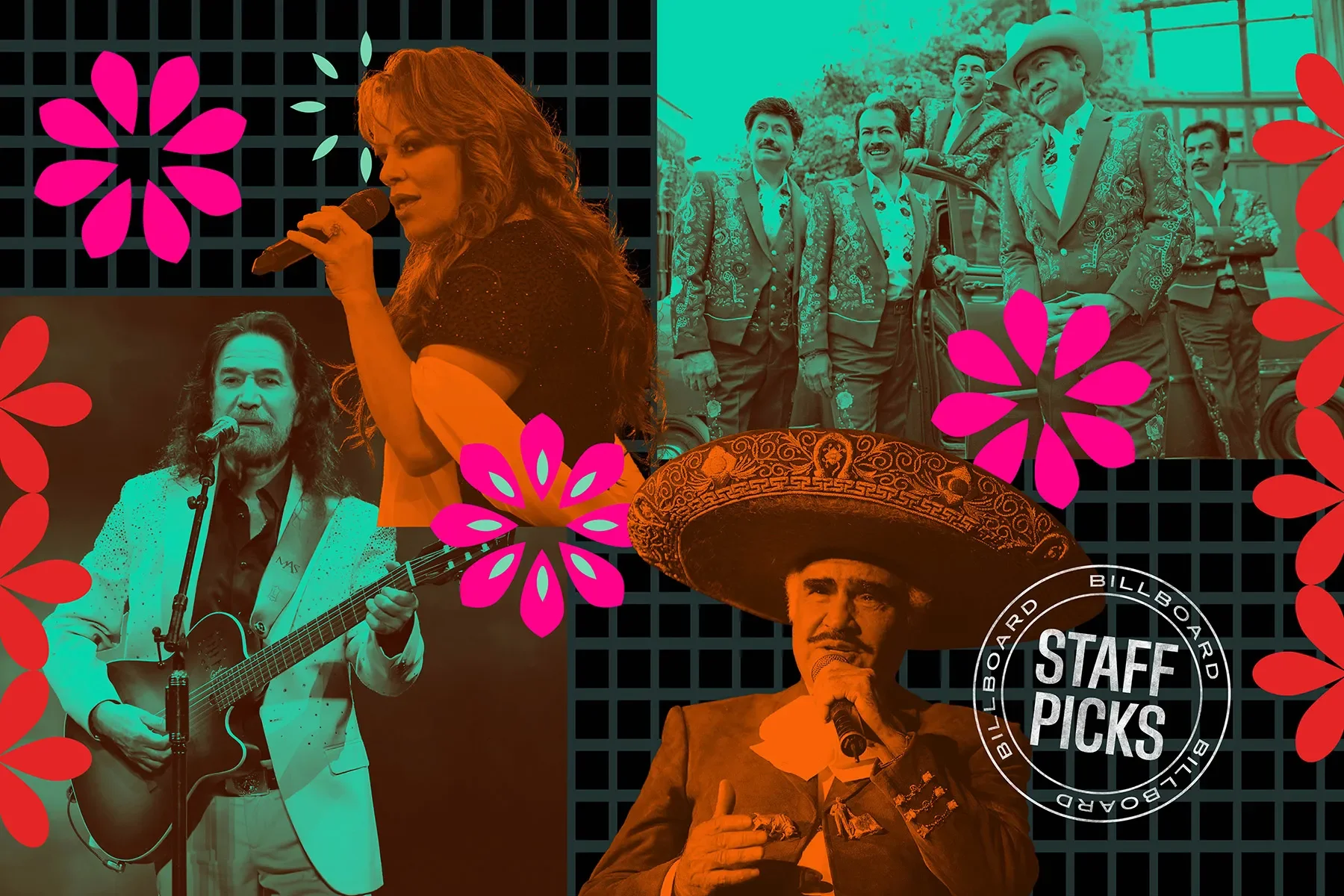
Iconic artists like Vicente Fernández helped define what the world recognizes as the sound of Mexico. Known as “El Rey de la Música Ranchera,” Fernández carried ranchera and mariachi music with unmatched power and dignity, turning songs into emotional narratives that resonated far beyond Mexico’s borders. Pepe Aguilar continued that legacy while blending modern elements with classic mariachi roots, bridging traditional sound with contemporary audiences. Their voices helped keep ranchera and mariachi at the heart of Regional Mexican music even as the genre evolved.
At the same time, other subgenres grew in popularity, each offering its own style and storytelling tradition. Norteño music—with its accordion and bajo sexto—became the soundtrack of northern Mexico thanks to artists like Ramón Ayala, whose lively melodies and heartfelt lyrics earned him the title “El Rey del Acordeón.” Corridos, which date back to the Mexican Revolution, continued telling stories of heroes, tragedies, and social realities. Tejano music added yet another layer, influenced by Mexican roots and American sounds, creating a unique fusion that spoke to Mexican-American communities across Texas. And artists like Paquita la del Barrio brought a fiery, unapologetic voice to the genre, using ranchera and bolero styles to stand up for women and call out machismo with unforgettable boldness.
Today, Regional Mexican music remains one of the most influential genres in Latin music, constantly evolving yet staying deeply connected to its origins. Whether it’s the powerful rancheras of Vicente Fernández, the passionate storytelling of corridos, the rhythmic drive of norteño, or the cross-cultural energy of tejano, each style carries pieces of history that continue to shape new generations of artists and listeners. Regional Mexican music isn’t just heard—it’s lived, shared, and passed down, preserving a legacy that’s as vibrant as ever.