
History of EDM Eras
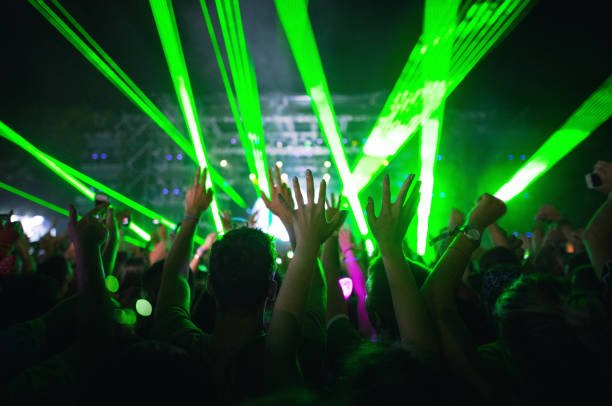
Popular Artists: Avicii, Borgore & Sikdope, David Guetta, Marshmello, & Skrillex
Electronic Dance Music (EDM) has evolved through several distinct eras, each shaped by shifting sounds, technology, and groundbreaking artists. The late 2000s and early 2010s are often called the “Big Room and Progressive House Era,” where melodic builds and emotional drops took over global charts. Avicii was one of the most influential figures of this period—his blend of folk, country, and house in tracks like Wake Me Up and Levels helped push EDM into mainstream culture, turning festivals into cultural phenomena. David Guetta also played a major role during this time, merging pop and dance music through collaborations with artists like Sia, Nicki Minaj, and Usher, making EDM a staple on worldwide radio.
As EDM expanded, subgenres like dubstep, electro house, and trap started to explode in popularity. Skrillex led the aggressive, bass-heavy dubstep movement with his signature sound design and chaotic energy, redefining what electronic music could sound like. Around the same time, artists like Borgore helped solidify “brostep” and heavy bass culture, bringing gritty textures and shock value to the scene. Sikdope followed with high-intensity festival tracks and hybrid bass styles, adding a new wave of creativity to the genre’s heavier side.
By the mid-2010s, EDM continued branching into accessible, radio-friendly sounds while still keeping its festival roots alive. Marshmello emerged as one of the most recognizable figures of the modern era, blending future bass, pop, and melodic EDM into hits like Alone and Happier. His masked persona and upbeat sound helped create a softer, more emotional branch of EDM that appealed to younger audiences. Together, artists like Avicii, Guetta, Skrillex, Borgore, Sikdope, and Marshmello shaped the history of EDM by pushing its boundaries, popularizing new subgenres, and turning electronic music into a global cultural force.