
His Way: The Real Frank Sinatra
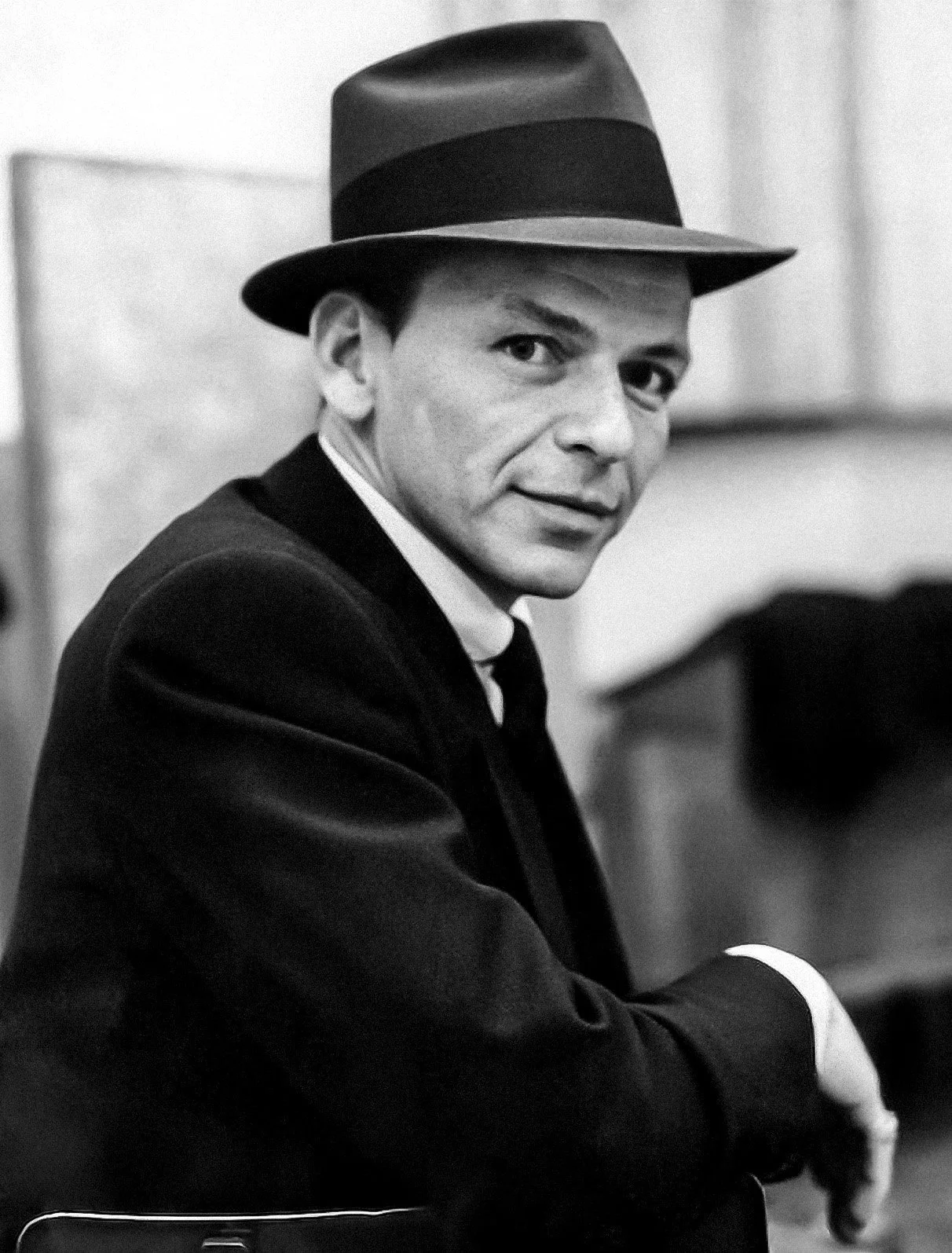
Source :Life Magazine
Everyone knows that Frank Sinatra will always be a legend. Ever since his heyday in the mid-20th century, “Old Blue Eyes” has captured the hearts of music lovers around the world. But few people realize just how tragic his life really was. This is the real-life story of Frank Sinatra.
During his birth, Francis Albert Sinatra was almost ruled dead on arrival. Born on December 12, 1915, in the kitchen of his parents’ New Jersey apartment, Sinatra weighed 13.5 pounds at birth and had to be removed from the womb with forceps. Frank was originally thought to be stillborn he was blue and not breathing. While the doctor treated his mother, Frank’s grandmother took the seemingly dead infant, ran him under cold water, and slapped him on the back, which suddenly revived him.
The mishaps didn’t end there. Frank was supposed to be named Martin after his father, but a misunderstanding led the priest to baptize the baby after his godfather, Frank Garrick. Frank’s mother, likely exhausted, decided to keep the name. The forceps used during his birth left him with facial scarring along the left side of his face, neck, and jawline. This earned him the punishing nickname “Scarface” from peers during adolescence. During his singing career, Frank worked hard to hide these imperfections with heavy makeup.
In spite of his talent, Sinatra struggled with loneliness during childhood. He was the only child of Italian immigrants who were always busy. His father, Antonio “Marty” Sinatra, owned a tavern and was a part-time prizefighter. His mother, Dolly, was a midwife who also helped desperate women obtain illegal abortions. Dolly was deeply involved in local politics and was elected Democratic ward leader in their neighborhood. Because his parents were often away, young Frank spent most of his time alone or with his grandmother.
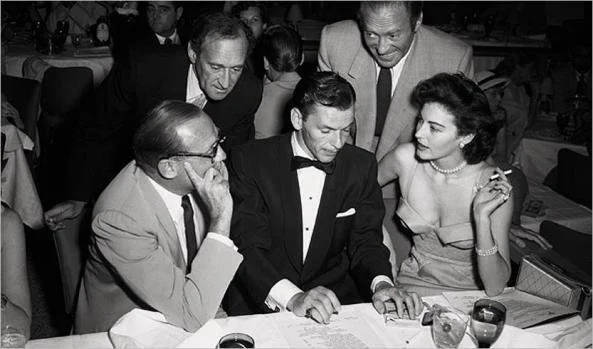
Source :Frank Sintra.com
Most children in his predominantly Italian neighborhood came from large families, so being an only child made Sinatra feel isolated. Much later, in an interview with journalist Pete Hamill, Sinatra admitted that he longed for siblings. “I used to wish I had an older brother who could help me when I needed him,” he said. “I wished I had a younger sister I could protect.”
Sinatra didn’t find it easy to achieve the fame he craved when young. His parents weren’t fully supportive of his dream to become a professional singer, viewing it as a hobby. Marty wanted his son to attend Stevens Institute of Technology and get a steady job. But once Dolly recognized Frank’s talent and ambition, she helped him however she could buying him sound equipment and sheet music and using her political influence to secure gigs. Her connections even helped Frank land a spot with the local singing group, the Hoboken Four, launching him toward professional recognition.
It soon became clear that Sinatra was the most ambitious member of the group. After the Hoboken Four broke up, he waited tables between singing gigs with dance bands. After landing a solid gig with trumpeter Harry James, Frank’s biggest break came in 1940 when he was discovered by bandleader Tommy Dorsey, who offered him a lucrative contract. By 1942, Sinatra’s reputation eclipsed Dorsey’s, prompting him to pursue a solo career.
Bing Crosby was Sinatra’s greatest inspiration. As a teenager, Frank even kept a picture of Crosby in his bedroom. Crosby’s warm, laid-back style influenced Sinatra deeply until he developed his own unique sound. Frank met Crosby briefly in 1935 at a Newark club, but they didn’t meet again until nearly a decade later by then Sinatra was a huge star. By the 1940s, Crosby was still popular, but Sinatra’s fame was skyrocketing, drawing hordes of screaming teenage “bobby-soxers.” Crosby took the competition well, once saying Sinatra was “a singer that comes around once in a lifetime,” adding jokingly, “But why did it have to be my lifetime?” The media hyped their rivalry, but it was never serious. They later performed duets and co-starred in films such as High Society (1956).
Although Sinatra enjoyed a friendly rivalry with Crosby, he was extremely insecure around rising singers who threatened his reign. In the early 1950s, Eddie Fisher’s growing fame pushed Sinatra into a deep depression, convinced his career was over. Another threat came from singer Jimmy Roselli, dubbed “the other Sinatra.” Roselli was ten years younger, Italian American, from Hoboken, and extremely popular within the same community including with Sinatra’s own mother. When Roselli refused to perform at a benefit without payment, Sinatra used it as an excuse to blacklist his career.
Despite denying mob involvement, Sinatra absolutely had ties to organized crime. His FBI file reads like a mafia directory. He was close to Chicago mob boss Sam Giancana and openly socialized with the Fischetti brothers, known for illegal gambling operations. He partied with Detroit mobsters Anthony and Vito Giacalone. If Sinatra wanted out of a contract or felt insulted someone might receive a visit from a couple of mob enforcers. In return, Sinatra performed shows as favors for mob friends. Although never criminally charged, he did little to hide his associations. The full FBI record wasn’t released until after his death.
Sinatra was an ardent supporter of the Democratic Party, especially John F. Kennedy. Although it’s unclear when they first met, Kennedy’s sister Pat was married to Rat Pack member Peter Lawford. Kennedy admired Sinatra’s glamour, while Sinatra admired Kennedy’s power. During JFK’s presidential campaign, Sinatra used his star power to raise votes organizing donor dinners, appearing in radio ads, and loaning his private jet to campaign staff. His hit song “High Hopes” became the campaign’s theme. It’s been speculated that Joseph Kennedy hoped to use Sinatra’s mob and union connections to influence votes.
But the relationship soured after the election. An FBI wiretap exposed Sinatra having an affair with JFK’s married sister, Pat. On the recording, Sinatra admitted he was using her to influence the Kennedys and deflect federal attention from his gangster friends. The Kennedys immediately cut ties.
Despite his charm, Sinatra was infamous for his explosive temper. During a show in Hong Kong, a missed light cue led him to destroy his hotel dressing room, breaking priceless antiques. Another time, drunk and furious, he drove a golf cart through a mall window. Biographer J. Randy Taraborrelli recounts Sinatra once throwing a plate of pasta at a restaurant wall because he thought it was too soggy. Sinatra frequently bullied venue staff and lesser-known entertainers, and he often had mob friends rough up people he disliked, particularly comedians who made jokes at his expense.
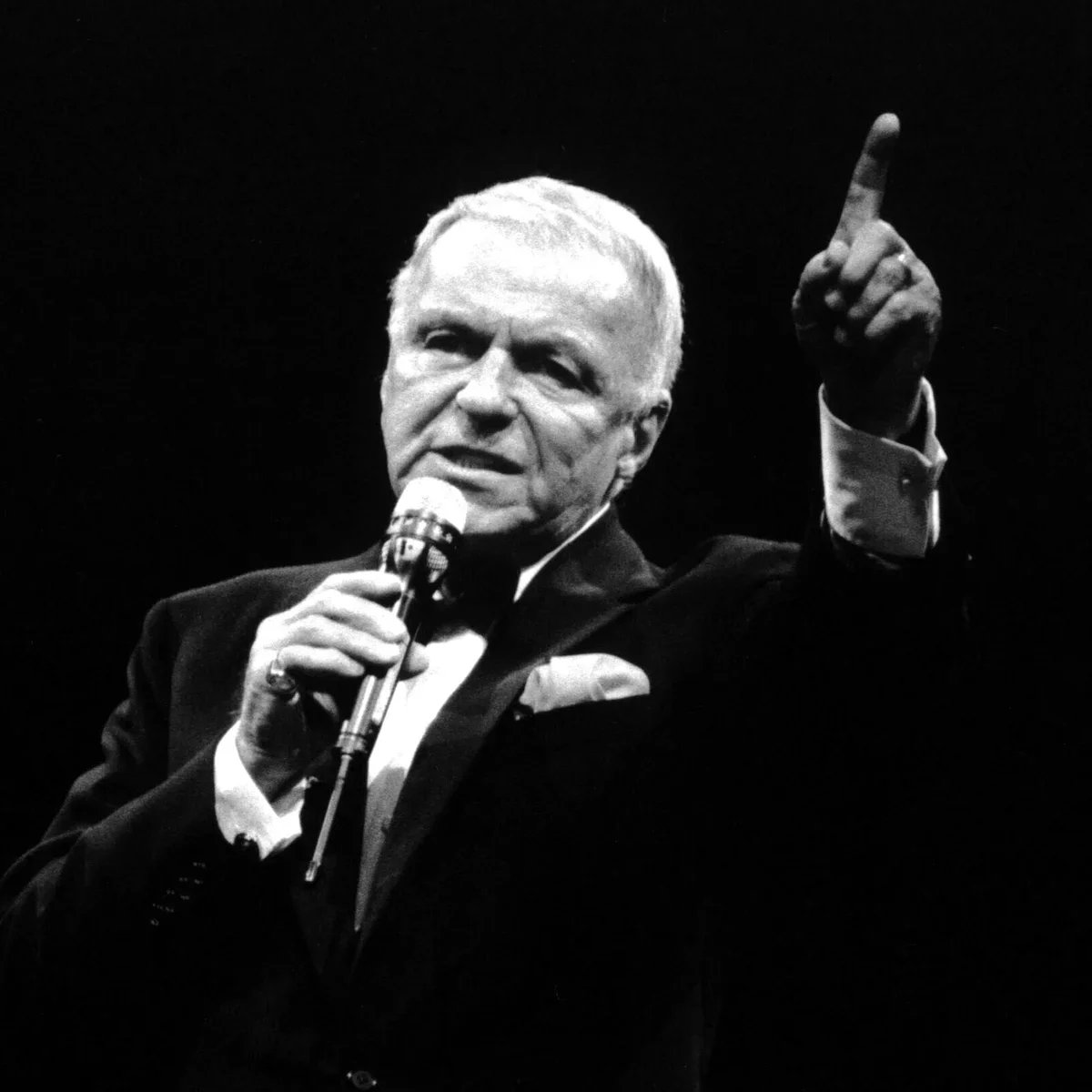
Source : The Guardian
Comedian Shecky Greene angered Sinatra with a remark and was later beaten by Sinatra’s friends. Jackie Mason made jokes about Sinatra’s marriage to 21-year-old Mia Farrow and received anonymous death threats. After refusing to stop, shots were fired into his hotel room, and later his nose and cheekbones were broken by a stranger.
Sinatra’s only son, Frank Sinatra Jr., sought to follow in his father’s footsteps as a singer. At 19, his career was already budding but it soon brought dangerous attention. On December 8, 1963, Sinatra Jr. was kidnapped from his dressing room at Harrah’s Club Lodge in Lake Tahoe. A man knocked, pretending to deliver a package. Two men entered, tied and blindfolded his friend, and abducted young Sinatra. The friend escaped and alerted police. The kidnappers demanded $240,000 in ransom. Sinatra paid with the FBI’s help, allowing agents to track the criminals. After hesitation, one kidnapper freed Sinatra Jr., who was later found walking in Bel Air. The FBI arrested the kidnappers and recovered the ransom. Although their lawyers tried to claim Sinatra Jr. staged the kidnapping for publicity, the evidence proved otherwise, and all three men were convicted.
Frank Sinatra died of a heart attack at age 82 on May 14, 1998, at Cedars-Sinai Medical Center in Los Angeles, surrounded by his wife, Barbara, and his three children. His final years were marked by serious health issues, heart and breathing problems, high blood pressure, pneumonia, bladder cancer, and dementia caused by Alzheimer’s. As the end approached, Sinatra seemed aware his time was near. His last words to his wife were, “I’m losing.”
He was buried with a pack of Camel cigarettes, a bottle of Jack Daniel’s whiskey, a Zippo lighter, and a dollar’s worth of dimes.
In a Rolling Stone interview, Bono reflected on Sinatra’s death. Having once performed a duet with him, Bono said: “Frank Sinatra was the 20th century. He was modern. He was complex. He had swing and he had an attitude. He was the boss. But he was always Frank Sinatra.
Favorite song - My way is a song about living life on one's own terms with pride and authenticity, reflecting on successes and failures without regret.
Links-
https://www.biography.com/musicians/frank-sinatra
https://www.life.com/arts-entertainment/frank-sinatra-portraits-of-the-voice-in-1965/