
“MF DOOM” legacy
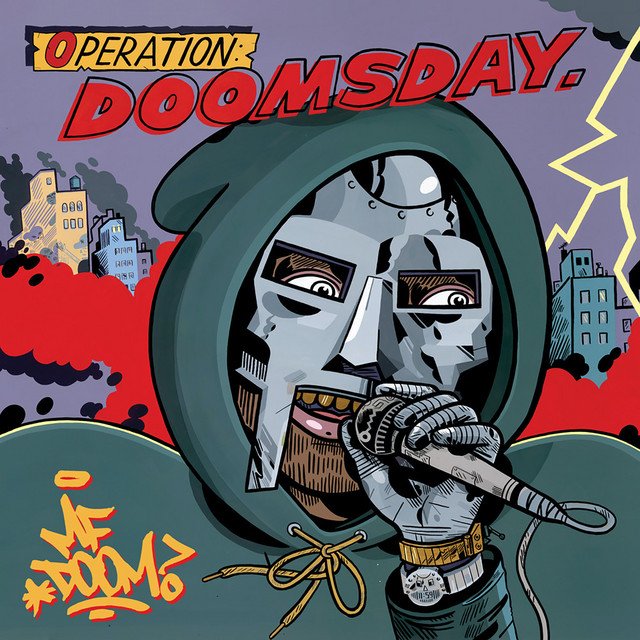
Source :Spotify
Daniel Dumile “Doom” was born on July 13th, 1971, in the Hounslow district of London. Although he was conceived in the United States, he happened to be born in London while his mother was visiting family. As a kid, Doom was obsessed with the fantasy worlds of comic books and video games an influence that would shape his music for the rest of his life.
During his childhood, his family relocated to New York City, where he grew up in Long Beach on Long Island. It was there that he formed the group KMD under his then-name Zev Love X, alongside his brother DJ Subroc and their friend Onyx the Birthstone Kid.
What does KMD stand for?
KMD stood for Kausing Much Damage. While growing up in Long Beach, the group met and befriended fellow rapper MC Serch of Third Bass. Serch featured them on the 1988 single “The Gas Face,” which captured the attention of A&R executive Dante Ross and ultimately led to KMD signing with Elektra Records.
KMD released their debut album Mr. Hood in 1991. But tragedy struck on April 23rd, 1993: just before the release of their second album, Subroc was killed after being struck by a car while crossing the Long Island Expressway. By then, Onyx had already left the group, leaving Doom as the sole member. After his brother’s death, Doom fell into a dark period. KMD was dropped from the label, and their second album was shelved due to its controversial cover art.
Heartbroken and disillusioned, Doom withdrew from the music scene for about five years, vowing revenge on the industry. Around 1997, he began reemerging at open-mic nights at the Nuyorican Poets Café in Manhattan, performing with a stocking pulled over his face.
By 1999, he resurfaced under a new identity “MF DOOM” and released Operation: Doomsday.
In 2001, Doom began releasing instrumentals under the name Metal Fingers in the series Special Herbs. In 2003, he released Take Me to Your Leader as King Geedorah, a persona based on the three-headed dragon from the 1964 Japanese kaiju film. Later that year, he released Vaudeville Villain under the alias Viktor Vaughn.
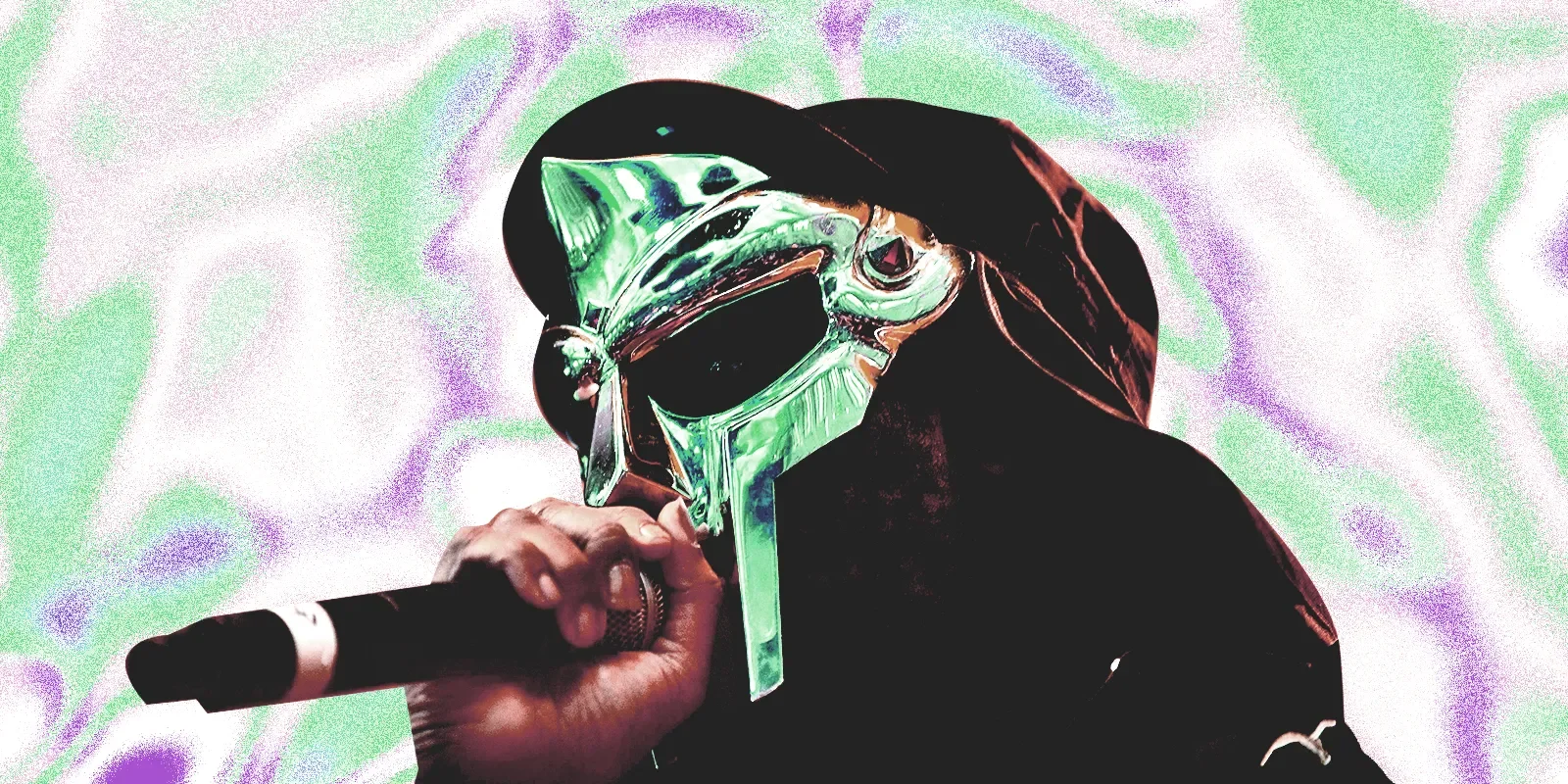
Source : Pitch Fork
Doom’s major breakthrough came in 2004 with Madvillainy, his collaborative album with producer Madlib. The partnership began by chance after the closure of Fondle ’Em Records. Doom was living between Long Island and Kennesaw, Georgia, when Egon Alapatt of Stones Throw Records had a friend deliver Doom a pack of Madlib’s instrumentals. Weeks later, Doom called back: he loved the beats and wanted to collaborate. The resulting album became a critical and underground classic, widely considered Doom’s magnum opus. That same year, he also released VV2 and MM..Food, and appeared as Sherman the Giraffe in the Adult Swim series Perfect Hair Forever.
Still an independent artist, Doom made a push toward mainstream exposure in 2005 with The Mouse and the Mask, a collaboration with producer Danger Mouse featuring voice actors from Adult Swim’s Aqua Teen Hunger Force. His final solo album, Born Like This, was released in March 2009 and became his first to chart in the United States.
In 2010, Doom toured Europe and released a remix compilation of Born Like This. But after the tour, he was unexpectedly denied re-entry into the U.S., forcing him to remain in the U.K. Despite having long-term residency, he was separated from his wife and children for nearly two years. His family eventually moved to London in 2012, after which Doom declared himself done with the United States.
In 2012, he released a collaborative project with producer Jneiro Jarel titled Key to the Kuffs, featuring Damon Albarn, Portishead, and Gorillaz. In 2014, he released NehruvianDoom with rapper Bishop Nehru, built largely from Special Herbs beats. His final collaborative project, Czarface Meets Metal Face, arrived in 2018.
In October 2020, Doom was admitted to St. James University Hospital with respiratory issues. He passed away on October 31st due to angioedema caused by an adverse reaction to blood-pressure medication. He had long struggled with high blood pressure and kidney disease.
MF DOOM wasn’t just a rapper he was a symbol. A master storyteller who carved out a space in hip-hop where lyricism, world-building, and authenticity mattered more than fame. Behind the mask, Doom gave us more than music; he gave us a legacy. In a genre where image often dominates, his genius proved that greatness comes from substance, not spotlight.
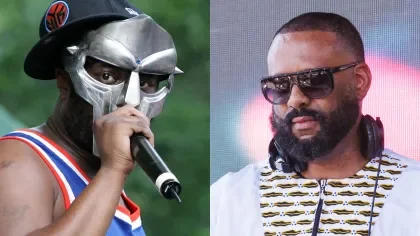
Source : Hip Hop DX
The mask may be off, but the legend continues.